
The International Society for Krishna Consciousness (ISKCON), also known as the Hare Krishna movement, has touched the lives of millions across the world. Established in 1966 by A.C. Bhaktivedanta Swami Prabhupada, ISKCON is rooted in the rich tradition of Gaudiya Vaishnavism, a branch of the ancient Bhakti yoga tradition emphasizing loving devotion to Lord Krishna. Today, ISKCON stands as a global spiritual movement dedicated to promoting Krishna consciousness and the principles of Vedic knowledge.
In 1965, at the age of 69, A.C. Bhaktivedanta Swami Prabhupada embarked on an extraordinary journey from India to the United States, with little more than his deep faith and a mission to spread the teachings of Lord Krishna in the Western world. He arrived in New York with minimal resources but a profound vision to establish a society where people could come together to chant the holy names of the Lord, embrace a devotional lifestyle, and live in harmony with each other and nature.
In July 1966, with a small group of followers, Prabhupada established ISKCON in a storefront in New York’s Lower East Side. The movement quickly grew as people were drawn to Prabhupada’s teachings, his compassion, and the practice of chanting the Hare Krishna mantra.
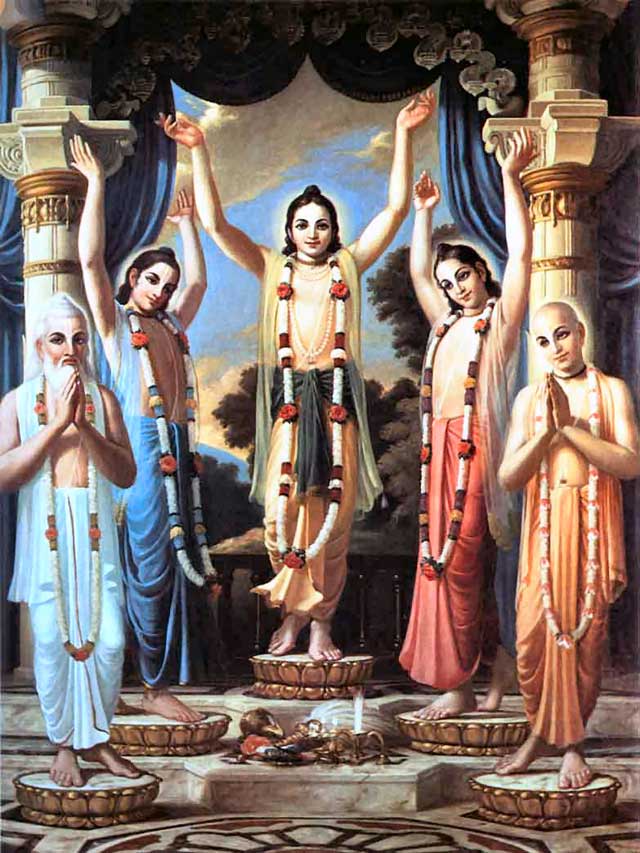
ISKCON’s message of universal love, peace, and devotion resonated with individuals from diverse backgrounds. The 1970s marked a period of rapid expansion as ISKCON temples were established worldwide. Prabhupada encouraged his disciples to open centers, spread the teachings of Lord Krishna, distribute spiritual literature, and organize festivals celebrating the holy names of Krishna. As a result, ISKCON centers sprouted across North America, Europe, South America, and Asia, each becoming a hub for spiritual gatherings, community service, and education.
The publication and distribution of Vedic literature, especially the “Bhagavad-gita As It Is,” became a central focus. This edition of the Bhagavad-gita, translated and commented upon by Prabhupada, is widely recognized for its clarity and spiritual depth. It remains one of the most widely read translations of this ancient scripture.
ISKCON’s teachings are rooted in the sacred texts of the Vedas, particularly the “Bhagavad-gita” and the “Srimad-Bhagavatam.” The primary tenets include:
Chanting the Holy Names of God: The Hare Krishna mantra – Hare Krishna, Hare Krishna, Krishna Krishna, Hare Hare; Hare Rama, Hare Rama, Rama Rama, Hare Hare – is a foundational practice, believed to purify the heart and bring one closer to Krishna.
Living a Devotional Life: Members are encouraged to follow principles such as compassion, humility, and dedication to spiritual service.
Service and Community: Inspired by the concept of “Bhakti,” or devotion to God, ISKCON emphasizes service, charity, and compassion for all living beings.
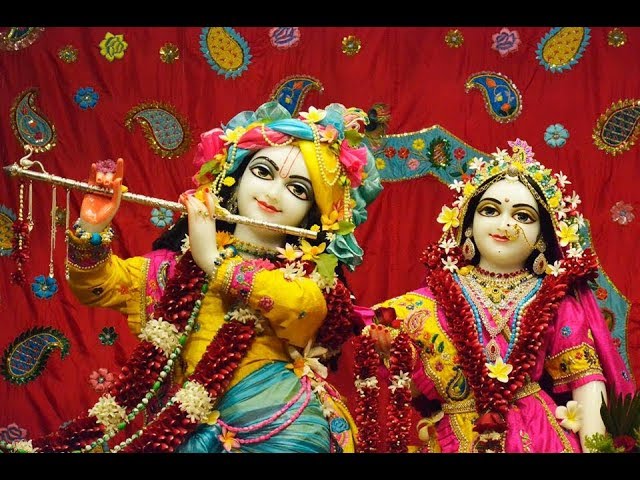
Beyond its temples and teachings, ISKCON has established a range of social programs aimed at spreading compassion and relieving suffering:
Food for Life: One of ISKCON’s most notable outreach programs, Food for Life provides free, nutritious meals to millions worldwide, with a commitment to eradicating hunger and serving those in need.
Education and Youth Programs: ISKCON has established numerous schools, colleges, and youth outreach programs, promoting moral values, spiritual education, and personal development.
Environmental Initiatives: ISKCON promotes sustainable and eco-friendly practices, encouraging members to live in harmony with nature. Many ISKCON temples incorporate organic farming, cow protection, and renewable energy initiatives.
Srila Prabhupada’s contributions continue to shape ISKCON’s legacy. Before his passing in 1977, Prabhupada established a framework for ISKCON that empowered his disciples to carry on his mission. He appointed leaders, formed the Governing Body Commission (GBC) to oversee the society, and left behind an extensive library of translated texts and commentaries that continue to guide the movement.
Prabhupada’s dedication and tireless work are remembered each year with grand festivals, and his teachings continue to be a guiding light for the society’s members and supporters.
Today, ISKCON has over 600 centers, temples, eco-villages, and cultural centers across six continents. The movement has a global following, with millions of practitioners and supporters. ISKCON has adapted to the times, embracing digital platforms, social media, and online communities to reach people globally with Prabhupada’s teachings.
ISKCON has also expanded its cultural outreach through music, dance, drama, and visual arts, incorporating these into festivals, events, and gatherings that celebrate the vibrant heritage of Krishna devotion.
ISKCON continues to be a beacon of devotion and spiritual unity, with each center providing a sanctuary for those seeking peace, community, and connection with God. With a commitment to preserving and spreading the teachings of Lord Krishna, ISKCON stands as a living testament to Prabhupada’s mission and his enduring vision of a world united in devotion and love.
ISKCON, a non-profit dedicated to social welfare, was inspired by a genuinely holy figure of great integrity and compassion. Known for his humility, he spoke and acted solely in the name of Krishna, leaving a lasting impact on all who met him.
© 2024, ISKCON Dhenkanal. All rights reserved Powered By Webzin Infotech Pvt Ltd.
